
Water Damage and Mold – The Hidden Dangers
Autumn means molds are out in full force. Outdoor molds thrive in gutters, soil, rotten wood and fallen leaves. Damp weather promotes indoor mold growth as well. Check bathrooms, kitchens, basements, carpets and houseplants for mold growth. Allergic reactions may be heightened by the airborne spores molds produce.
Molds, mildew and fungi are present everywhere…inside and outside. Furniture, carpet, books, even the air we breathe is full of spores. Humid, dark places with little air circulation promote the rapid growth of these fungi.
Hidden Dangers of Mold
Eating, relaxing and sleeping in a home full of allergy antagonists like mold, mildew and fungus presents your body with additional challenges which may lead to a worsening of your symptoms. Over 50 molds are considered problematic, including Stachybotrys, more commonly known as “black mold”. Pulmonary hemosiderosis has been linked to toxic mold exposure by the CDC. Mold can grow behind walls and even dead molds can make you sick. Mold can be found in homes, hospitals, schools and office buildings and may not be easily noticeable. All parts of the country are affected by mold and areas where moisture or heavy rain prevails, are more susceptible to mold, mildew and fungal growth.
Mold Causes and Symptoms
Molds typically grow in homes and buildings affected by water damage and are a potential cause of many health problems including asthma, sinusitis, and infections. People sensitive to molds are particularly uncomfortable on cloudy, rainy, damp days. Molds may also play a major role in cases of sick building syndrome and related illnesses. Allergic reactions can be caused by molds. The most reliable physical findings of mold allergy are dyshidrotic eczema, accompanied by tiny blisters on the palms of the hands. Other symptoms are nummular eczema that looks like ringworm.
“I don’t SEE any mold!”
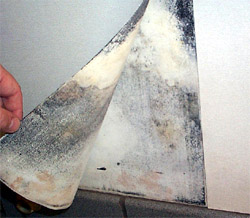
Stachybotrys behind vinyl wallpaper
Half of the people who call say those very words. But not all mold problems are as obvious as we would like them to be. In fact, the most costly mold related repairs are caused by mold that no one knew was there. Unnoticed, mold can rapidly spread exponentially inside walls, under floors, above ceilings, and deep into heating and air conditioning vents. By the time hidden mold is detected, it can cause thousands of dollars in property damage and pose significant health risks.
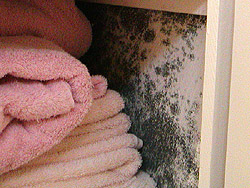
Hidden Mold
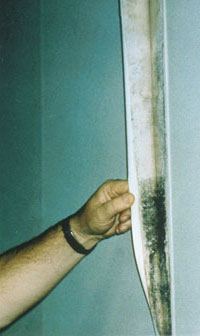
Mold growing on the back side of wallpaper
Immediate Water Damage Cleanup
The thing you need to fight water damage and flooding is to hire a professional water damage restoration company. A Minnesota Water Damage Restoration Expert utilizes state of the art equipment in removing as much water as possible, and then begins drying the area with our high velocity fans and ventilation systems.
They can restore a healthy environment to your home or office if you happen to find yourself up an indoor creek without a paddle.
Moisture and its effects in your house or office can cause a lot of harm, like the growth of mildew and mold, and dry rot, and if not cared for it can carry with it seriously large problems if not met fast and skillfully extracted.
Any drying being done must be Done Right to see to it that there aren’t any environments which promote and allow hazardous materials to flourish, taking your home or business and turning it into an problematic one that will only get bigger if not cared for.
